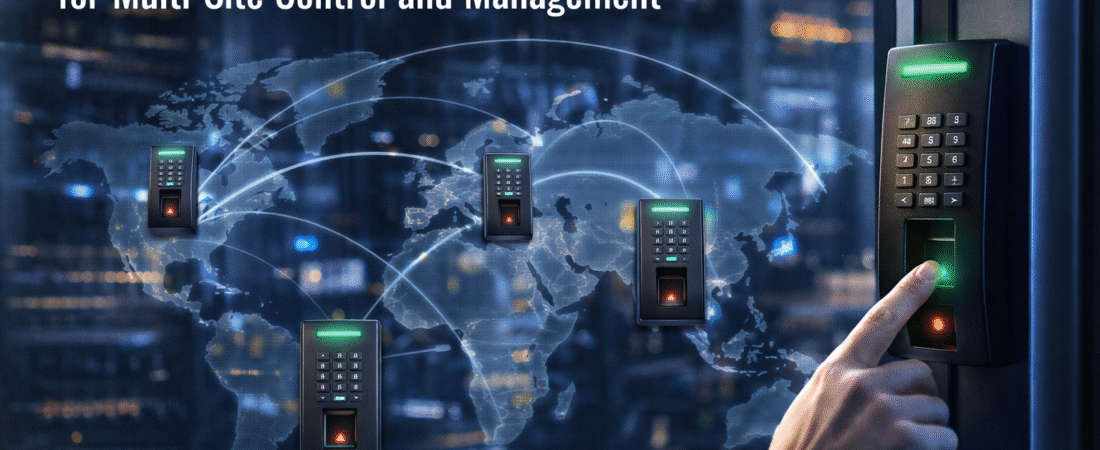
Managing security across multiple premises introduces complexity that traditional locks and keys simply cannot handle. As organisations expand across towns, cities, or regions in the UK, the challenge becomes how to secure every door, control who can gain entry, and maintain visibility without creating operational risk or high cost. This is where door access control systems provide a reliable, scalable solution. For businesses looking to streamline their security operations, partnering with an expert provider like Easy Security Systems is the first step towards achieving centralised, efficient control.
Unlike mechanical locking methods, modern access control systems allow businesses to manage access centrally, restrict entry based on credentials, and monitor movement across every site in real time. Whether you operate offices, warehouses, retail locations, or mixed-use facilities, a unified access management strategy enables stronger security and more efficient control.
This guide explains how door access control systems support multi-site security, the features that matter most, and how advanced systems help organisations protect people, property, and data while simplifying daily operations.
What Are Multi-Site Door Access Control Systems?
Door access control systems restrict who can enter an area, room, or building by replacing physical keys with electronic credentials. Instead of a key, users gain access by presenting a key fob, card, PIN code, mobile credential, or biometric identifier to a reader positioned at an access point.
In a multi-site environment, all doors, devices, and users are connected through centralised software and control systems. This allows administrators to create, modify, and revoke access permissions across multiple buildings from a single platform. Access decisions are made by an access control panel, which evaluates the credentials presented and determines whether access is granted or denied.
The result is a secure, connected system that operates consistently across every site, regardless of location.
Why Door Access Control Systems Are Essential for Multi-Site Security
Centralised Control and Oversight
With multiple locations to manage, security can start to feel like a real headache. Door access control systems sort that out by letting you control access across all your premises from one place, so you don’t have to rely on on-site management as much.
You can:
- Grant or revoke access on the spot
- Set different levels of security for different folks
- Keep an eye on who’s coming and going and when
- Lock or unlock doors from anywhere if things get hairy
That kind of control gives you the power to make quick decisions and keep your sites safe.
Enhanced Security and Reduced Risk
Using physical keys is just asking for trouble. They can get lost, copied, or misused. Door access control systems get rid of that risk by using electronic credentials that can be shut down straight away if they’re compromised.
Access control systems also keep a record of everything that happens, so you can keep an eye on things and pinpoint any unusual behaviour. This makes it a lot easier to investigate incidents and stay on top of regulatory compliance.
In an emergency, access control systems can spring into action and lock down areas or unlock escape routes, keeping staff and visitors safe.
Scalable, Cost-Effective Security for Growing Organisations
As your business grows and expands, access control systems can grow with it. New doors, readers, or even whole sites can be added in no time, without having to rip out the old system. It’s like having a security system that adapts to your needs, and that’s a huge cost-saver in the long run.
Key Components of a Multi-Site Door Access Control System
So, what makes these systems tick? It’s all about combining different devices and technologies to create a system that’s secure, reliable, and easy to use.
Credentials and Authentication Methods
Door access control systems use all sorts of different credentials, including:
- Key cards and fobs, just present them to a reader, and you’re in
- Keypads with PIN codes
- Mobile credentials, just use your phone to get in
- Biometrics – fingerprint readers or facial recognition
Biometric authentication is the most secure way to go, especially if you need high security levels. And many systems also support multi-factor authentication, so you can combine credentials for extra protection.
Readers, Doors, and Entry Devices
Readers are positioned at doors and entry points to identify users when credentials are presented. These may include proximity readers, keypad devices, or biometric scanners. Electronic locks, controlled by the system, ensure doors remain secure until access is authorised.
Each door typically requires its own power supply, and systems often include emergency break-glass units to ensure safety if the electric locking fails. Uninterruptible power supply (UPS) units are recommended to keep systems operating during power outages.
Central Panels and Software Platforms
The control panel is the bit that processes access requests and talks to the software platform. If you’re using a cloud-based system, that means you can manage access from anywhere, and if you’re using an on-site system, you can keep things locked down for extra security.
Access management software lets you:
- Create and assign credentials
- Keep an eye on user activity and logs
- Generate reports and data insights
- Update permissions instantly
To keep things running smoothly, you need to keep the software up to date and do regular maintenance.
Integration with Wider Security Solutions
Door access control systems do not operate in isolation. They can be integrated with other security solutions, including:
- CCTV and video surveillance
- Intruder detection systems
- Intercom systems for visitor verification
- Cashless vending and internal systems
Integration enhances visibility and control, allowing organisations to verify identity visually, monitor activity patterns, and respond quickly to incidents.
Multi-Site Access Control in Practice
A straightforward example might be a company with multiple offices and warehouses – they could have staff granted access to just the doors and areas that they need to get to for their job. Visitors get a temporary pass, while sensitive internal areas stay locked tight.
If someone loses a security pass, you can cancel it across all locations straight away. And if a site is suddenly at risk, you can update the access rules to reflect that.
All this flexibility lets organisations keep their premises safe while still keeping things running smoothly.
Installation, Maintenance, and Ongoing Support
Access control systems should be designed and installed by skilled professionals to ensure reliability, correct positioning, and compliance with safety requirements. Proper installation also ensures systems operate efficiently and securely across all access points.
Preventive maintenance is vital to extend system lifespan, reduce breakdowns, and maintain performance. Regular testing, updates, and equipment checks support consistent operation and long-term value.
Why Door Access Control Systems Are the Smart Choice
Access control systems let organisations keep tabs on who’s coming and going, and they’re always connected, so you can see what’s going on all the time. They’re basically a smart way to manage access to multiple sites, by replacing keys with pass cards or digital keys. It means you get control, visibility, flexibility, and security, all at once.
For a business that’s on the up and up, and wants to keep its building secure, keep control of who’s coming and going, and keep things running smoothly, an access control system is a no-brainer; it’s a basic part of any proper security plan.