
The food service industry is experiencing a seismic shift as consumers increasingly vote with their wallets for businesses that prioritize environmental responsibility. Recent surveys show that over 70% of diners actively seek out restaurants using sustainable packaging, and many are willing to pay a premium for it. This growing demand has transformed eco-friendly practices from a nice-to-have into a competitive necessity. Detail discussion about How to Choose Eco-Friendly Disposable Food Storage Containers.
Yet for restaurant owners and food service managers, the transition to sustainable packaging presents a minefield of challenges. The market is flooded with confusing terminology, conflicting certifications, and vastly different price points. Many operators struggle to distinguish genuinely eco-friendly products from greenwashed alternatives, while others worry that sustainable options won’t hold up to the rigors of takeout and delivery. Budget constraints add another layer of complexity, especially when buying in bulk quantities.
This comprehensive guide cuts through the noise to provide a practical, step-by-step framework for selecting eco-friendly disposable food storage containers that actually work. You’ll learn how to evaluate materials, balance sustainability with functionality, avoid common pitfalls, and make informed bulk purchasing decisions that align with both your environmental values and your bottom line.
Why Eco-Friendly Food Packaging Supplies Are a Smart Business Move
Switching to sustainable packaging delivers tangible business advantages that extend far beyond environmental goodwill. Today’s diners actively research restaurants’ sustainability practices before choosing where to eat, with studies showing that 73% of millennials will pay more for meals from environmentally responsible establishments. This consumer behavior translates directly to increased foot traffic and higher average order values for businesses that prominently feature their eco-friendly packaging choices.
Your packaging becomes a mobile advertisement when customers carry branded sustainable containers through busy streets or share photos on social media. These containers spark conversations and signal your values to potential customers, creating organic marketing opportunities that traditional advertising can’t match.
Meanwhile, many sustainable materials prove surprisingly cost-effective when purchased in bulk, particularly as economies of scale continue to drive down prices. Some municipalities even offer tax incentives or grants to businesses that eliminate traditional plastics from their operations.
Perhaps most importantly, adopting sustainable packaging now positions your business ahead of inevitable regulatory changes. Cities and states worldwide are implementing bans on polystyrene foam and single-use plastics, with compliance deadlines approaching rapidly.
Businesses that wait until mandates take effect often face rushed decisions, limited supplier options, and premium pricing. By transitioning proactively, you gain time to test products, negotiate favorable bulk rates, and build supplier relationships that ensure consistent inventory as regulations tighten.
Understanding Your Eco-Friendly Material Options
Navigating the landscape of sustainable packaging materials requires understanding what each option actually offers and where it performs best. The right choice depends on your specific menu items, local waste infrastructure, and operational priorities.
Compostable Containers: Breaking Down the Basics
Compostable materials like PLA (polylactic acid derived from corn or sugarcane) and bagasse (sugarcane fiber pulp) have gained significant traction in food service. PLA containers look and feel similar to traditional plastic but break down under specific conditions, making them ideal for cold items like salads and parfaits. However, they typically soften above 110°F, limiting their use for hot foods. Bagasse containers offer superior heat resistance and work well for everything from hot entrees to soups, with a sturdy, paper-like texture that customers find appealing.
The critical distinction lies in disposal requirements: industrial composting facilities provide the high temperatures and controlled conditions needed for complete breakdown within 90-180 days, while home composting rarely achieves these conditions. Before committing to compostable options, verify that your municipality offers commercial composting pickup or that customers have access to drop-off locations; otherwise, these materials may end up in landfills where they won’t properly decompose.
Recycled Content & Recyclable Options
Post-consumer recycled (PCR) materials give new life to existing plastics and paper products while maintaining durability. Containers made from PCR content typically contain 25-100% recycled material, with higher percentages offering greater environmental benefits. Aluminum containers stand out as infinitely recyclable without quality degradation, making them excellent for hot foods and items with oils or sauces.
Clear PET plastic (#1) works well for cold applications like salads and desserts, while HDPE (#2) and PP (#5) handle both hot and cold foods effectively. The advantage of recyclable options is their compatibility with existing curbside programs, eliminating customer confusion about disposal. However, contamination from food residue remains a challenge—containers must be reasonably clean to enter recycling streams, so educating customers about rinsing becomes essential.
Renewable Resources: Bamboo, Palm Leaf, and More
Natural materials like bamboo and fallen palm leaves offer durability without requiring chemical processing. Palm leaf containers are heat-pressed from naturally shed leaves, creating sturdy plates and bowls with unique grain patterns that enhance presentation. They handle hot and cold foods equally well, resist moisture for several hours, and fully biodegrade within 60 days in compost conditions.
Bamboo fiber containers provide similar versatility with a smoother finish, making them popular for upscale takeout. These options typically cost more per unit than bagasse or PLA but deliver premium aesthetics that justify higher menu prices. They work particularly well for restaurants emphasizing natural, organic, or farm-to-table concepts where packaging reinforces brand identity.
A Step-by-Step Guide to Choosing Bulk Food Containers
Selecting the right sustainable containers in bulk quantities requires a systematic approach that balances your operational needs with environmental goals. This framework helps you make confident decisions that serve both your business and your customers.
Step 1: Assess Your Menu and Packaging Needs
Begin by cataloging every item that leaves your establishment in a container. Group them by temperature requirements hot entrees need heat-resistant materials, while cold items offer more flexibility. Note which foods contain oils, sauces, or liquids that demand leak-proof seals, and identify items requiring compartmentalized containers to keep components separate. Measure your typical portion sizes to determine which container dimensions minimize wasted space while preventing overflow.
A sandwich shop needs different solutions than a Thai restaurant serving curry, and a bakery’s requirements differ entirely from a juice bar’s. Create a simple spreadsheet listing each menu category alongside its specific packaging requirements, including any features like vented lids for steam release or clear windows for product visibility.
Step 2: Set Your Sustainability and Budget Priorities
Calculate your current packaging costs per unit and multiply by monthly volume to establish your baseline spending. Research shows that sustainable options typically cost 15-40% more initially, but bulk purchasing dramatically narrows this gap. Determine which environmental attribute matters most for your brand—compostability, recycled content, or renewable sourcing—then allocate your budget accordingly. Consider implementing a tiered approach where you prioritize premium sustainable packaging for signature dishes while using more economical options for sides or standard items. Factor in potential savings from reduced waste hauling fees if switching to compostable materials, and investigate local grants or tax credits for businesses eliminating traditional plastics. Remember that cost-per-unit drops significantly at higher order volumes, so calculate break-even points for different quantity tiers before making decisions.
Step 3: Source and Vet Reliable Suppliers
Start with suppliers specializing in food service sustainability rather than general restaurant supply companies, as they offer deeper expertise and better selection. Request product samples alongside certification documentation—legitimate suppliers readily provide BPI (Biodegradable Products Institute) certificates for compostable items, FSC (Forest Stewardship Council) certification for paper products, or third-party verification of recycled content percentages.
Ask about minimum order quantities, lead times, and storage requirements, as bulk orders may require warehouse space you hadn’t anticipated. Verify their return policies for defective products and inquire about price protection guarantees that lock in rates for future orders. Check references from similar-sized operations in your area, and confirm they can maintain consistent supply during peak seasons when demand surges.
Established suppliers like Jolly Chef often provide comprehensive product lines that allow you to consolidate orders and build long-term partnerships, simplifying inventory management while ensuring consistent quality across different container types.
Step 4: Test Before You Commit to a Bulk Order
Order sample quantities of your top three container choices and run them through real service conditions for at least two weeks. Have kitchen staff pack typical orders, then monitor how containers perform during delivery timeframes—does hot food stay hot without causing lid condensation, do cold items remain fresh, and do containers maintain structural integrity when stacked?
Gather feedback from delivery drivers about handling and transport, and ask front-of-house staff whether customers comment on the new packaging. Consider surveying regular customers about their disposal experiences and whether instructions are clear. Document any failures like leaks, tears, or premature breakdown, then discuss solutions with suppliers before placing bulk orders. This testing phase prevents costly mistakes and often reveals practical issues that specifications sheets don’t capture.
Common Pitfalls to Avoid with Sustainable Food Packaging
Even well-intentioned businesses stumble when transitioning to eco-friendly containers, often because they overlook critical details that separate successful implementations from costly mistakes. Understanding these common missteps helps you avoid wasted investment and customer disappointment.
Greenwashing has become rampant as manufacturers capitalize on sustainability trends with misleading claims. Terms like “eco-friendly,” “natural,” or “biodegradable” carry no regulated meaning and often appear on products that offer minimal environmental benefit. A container labeled “biodegradable” might take centuries to break down in a landfill without proper composting conditions.
Protect yourself by demanding specific certifications—BPI certification for compostable products, FSC certification for paper goods, or verified recycled content percentages. Ask suppliers exactly where and how their products break down, and request third-party testing documentation rather than accepting marketing materials at face value.
Functionality failures undermine even the most environmentally sound choices when containers can’t handle real-world conditions. Bagasse bowls that disintegrate under hot soup, lids that pop off during transport, or containers that leak grease through the bottom create immediate customer dissatisfaction that overshadows your sustainability efforts.
These problems typically emerge only after bulk orders arrive and products enter daily service, making thorough testing non-negotiable. Pay special attention to how containers perform after sitting for typical delivery timeframes, as materials that seem sturdy initially may weaken with prolonged exposure to heat or moisture.
Customer confusion about disposal represents perhaps the most overlooked obstacle to sustainable packaging success. Without clear guidance, even genuinely compostable containers end up in trash bins, negating their environmental benefits entirely.
Print disposal instructions directly on containers when possible, or include separate cards explaining whether items should go in compost, recycling, or trash bins. Train staff to answer disposal questions confidently, and consider posting infographics near pickup areas. Some restaurants partner with local composting services to offer collection points, turning proper disposal into a convenient customer experience rather than a confusing burden.
Making Sustainable Packaging Work for Your Business
Choosing eco-friendly disposable food storage containers represents far more than an operational change—it’s a strategic investment in your business’s future, your community’s environment, and your customers’ values. The transition doesn’t require a complete overnight overhaul or an unlimited budget.
By systematically assessing your menu needs, understanding material options, vetting suppliers carefully, and testing before committing to bulk orders, you create a manageable pathway that minimizes risk while maximizing impact.
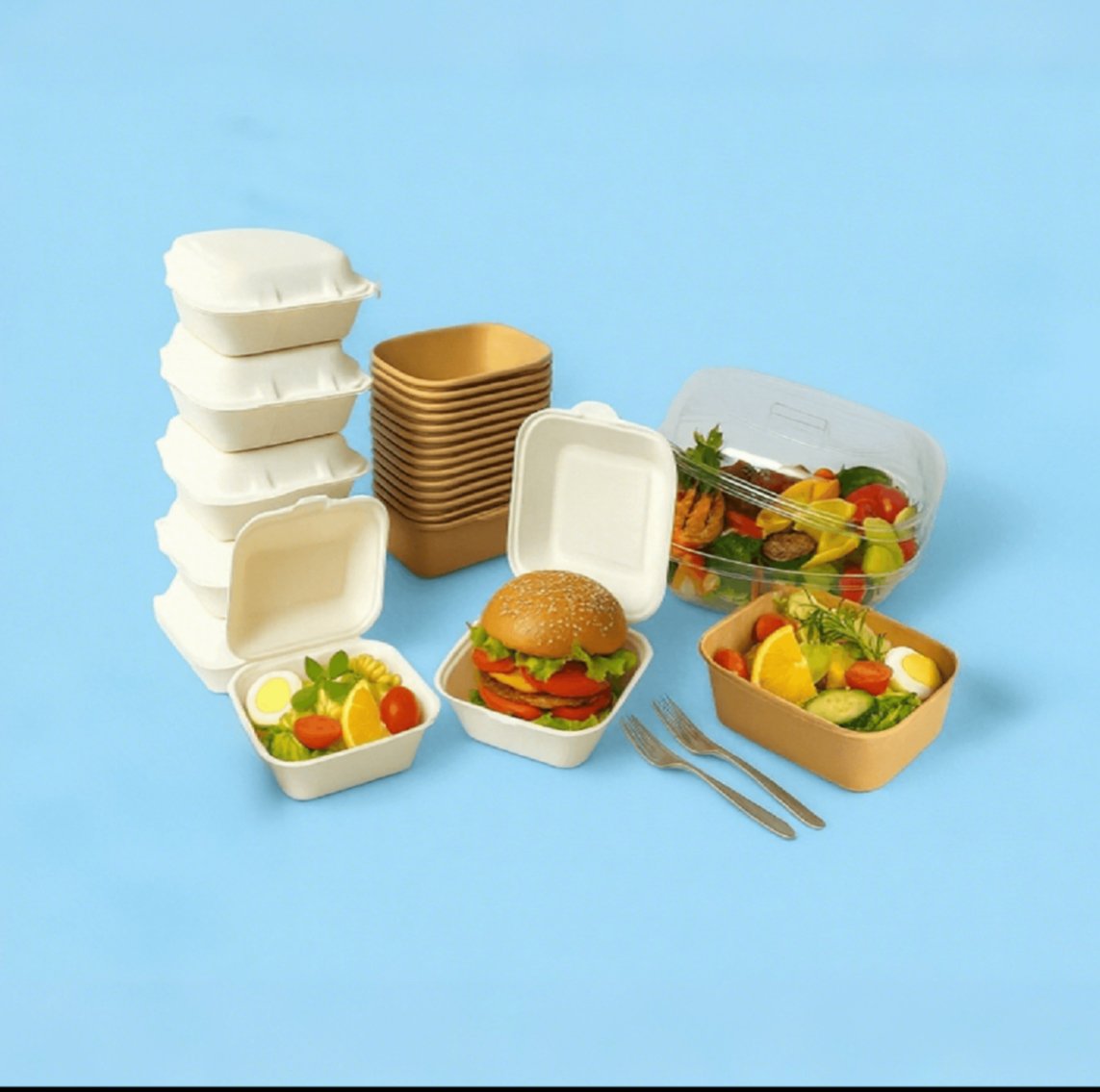
The businesses thriving in today’s market are those that view sustainability not as a burden but as an opportunity to differentiate themselves, attract loyal customers, and stay ahead of regulatory changes.
Your packaging tells a story about who you are and what you stand for, reaching far beyond your dining room into customers’ homes and social media feeds. Start with one category—perhaps your most popular takeout item or signature dish—and apply the framework outlined here. Source samples, run real-world tests, gather feedback, and refine your approach. That single informed change builds momentum, expertise, and confidence for broader implementation. The planet doesn’t need perfect sustainability from a few businesses; it needs imperfect progress from many. Take your first step today.