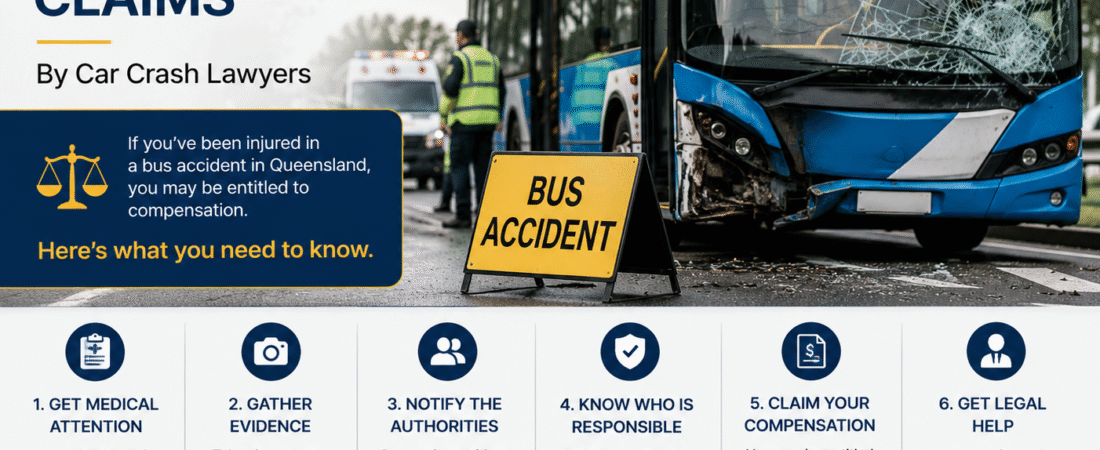
Bus accidents can be confusing and stressful, especially when multiple people are involved and responsibility is not immediately clear. After such incidents, many injured passengers or road users look for information commonly discussed by QLD car crash lawyers or try to understand how bus accident claims work under Queensland law. While the process can feel overwhelming at first, having a clear understanding of why these claims exist and how they generally work can help injured people make informed decisions during recovery. Here is the discussion about Guide to Queensland Bus Accident Claims by Car Crash Lawyers.
Why Bus Accident Claims Are Different
Bus accidents are different from typical car accidents in several ways. Buses are large vehicles, often carrying many passengers, and are commonly part of public or private transport systems. When an accident occurs, it may involve multiple injured people, several vehicles, or complex questions about responsibility.
Unlike a standard two-car collision, liability in a bus accident may involve drivers, transport operators, other motorists, or even road conditions. This complexity is one of the main reasons bus accident claims are treated with particular care.
Who Can Make a Bus Accident Claim?
Bus accident claims are not limited to passengers. Several groups of people may be eligible to make a claim, depending on how the accident occurred.
These can include:
- Passengers injured while riding on a bus
- Pedestrians struck by a bus
- Cyclists involved in a collision with a bus
- Drivers or passengers of other vehicles hit by a bus
Eligibility generally depends on whether the injury resulted from negligence and whether the accident falls within Queensland’s compulsory insurance framework.
Common Causes of Bus Accidents
Understanding why bus accidents happen helps explain why claims exist. Some common causes include driver fatigue, poor visibility, sudden braking, unsafe lane changes, and failure to follow road rules.
In some cases, accidents occur due to factors outside the driver’s control, such as hazardous road conditions or the actions of other motorists. Determining the cause is an important step in assessing any claim.
Types of Injuries in Bus Accidents
Because buses are large and often lack seatbelts, injuries can range from mild to severe. Common injuries include soft tissue damage, fractures, head injuries, and psychological trauma.
Passengers who are standing or moving inside the bus at the time of impact are particularly vulnerable. Even low-speed incidents can cause significant injuries due to sudden jolts or falls.
Why Bus Accident Claims Exist
Bus accident claims exist to support people who are injured through no fault of their own. When an accident disrupts someone’s health, work, or daily life, compensation systems aim to reduce the financial burden that follows.
These claims are not about assigning blame for its own sake. Instead, they are about helping injured people access medical treatment, cover lost income, and manage the long-term effects of their injuries.
What Can Be Included in a Claim?
Bus accident claims may include several types of compensation, depending on the circumstances. This often covers medical expenses, rehabilitation costs, and income lost due to time away from work.
In more serious cases, claims may also account for long-term impacts, such as reduced earning capacity or ongoing pain. The goal is to reflect how the injury affects the person’s life as a whole.
The Importance of Medical Evidence
Medical evidence plays a central role in bus accident claims. Seeing a doctor as soon as possible after the accident helps link the injury directly to the incident.
Ongoing treatment records help demonstrate how the injury progresses over time. Consistent medical documentation strengthens the credibility of a claim and provides clarity about recovery prospects.
Reporting the Accident and Keeping Records
Reporting the accident properly is another critical step. This may involve notifying transport authorities, police, or insurers, depending on the situation.
Keeping personal records can also be helpful. Notes about pain levels, missed workdays, and daily limitations add context to medical reports and show how the injury affects everyday life.
Why Claims Can Take Time
Bus accident claims often take longer than other road accident claims. This is partly due to the number of people involved and the complexity of determining responsibility.
Investigations may involve reviewing driver statements, vehicle data, and witness accounts. While delays can be frustrating, careful assessment helps ensure outcomes are fair and accurate.
Understanding Time Limits in Queensland
Like all personal injury matters, bus accident claims are subject to strict time limits. These deadlines are set by law and missing them can affect the ability to claim compensation.
Being aware of these timeframes early allows injured people to focus on recovery without unnecessary pressure later.
The Role of Legal Knowledge
Queensland’s compensation system can be difficult to navigate without guidance. This is why many people seek information commonly associated with QLD car crash lawyers, not necessarily to start legal action immediately, but to understand their rights and responsibilities.
Legal knowledge helps clarify what evidence is needed, how liability is assessed, and what options are available if disputes arise.
Emotional Impact of Bus Accidents
Beyond physical injuries, bus accidents can have lasting emotional effects. Anxiety about using public transport, stress related to finances, and disruption to daily routines are common.
Acknowledging these impacts is important. Compensation systems recognise that injuries affect more than just the body, and claims often reflect this broader impact.
Why Early Information Matters
The period after a bus accident can feel uncertain and overwhelming. Accurate information helps reduce stress and prevents common mistakes, such as missing deadlines or delaying treatment.
Understanding bus accident claims empowers injured people to make calm, informed decisions rather than reacting out of fear or confusion.
A Practical Way Forward After a Bus Accident
Bus accidents are complex, but the purpose of bus accident claims is simple: to support people who have been injured and help them recover with dignity and stability.
By understanding how claims work in Queensland, why they exist, and what steps matter most, injured people can approach the process with greater confidence. Clear information, timely action, and a focus on recovery all play an important role in navigating life after a bus accident.