In agriculture and construction, equipment downtime translates directly to lost revenue and missed deadlines. The engine powering your machinery determines whether your fleet operates reliably or struggles through costly breakdowns. Fleet managers face constant pressure to balance performance demands with operational costs while meeting increasingly strict environmental regulations.
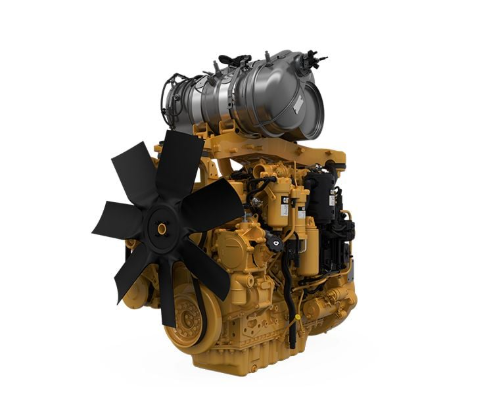
The Caterpillar C7 diesel engine has established itself as a proven solution for heavy-duty applications requiring consistent power delivery. This inline six-cylinder engine delivers robust horsepower and exceptional torque characteristics that handle demanding workloads across diverse operating conditions. Its advanced fuel injection system optimizes combustion efficiency while meeting emission compliance standards that keep your fleet legally operational.
Understanding how the C7’s engineering translates into real-world performance advantages helps fleet managers make informed equipment decisions. This article examines the technical specifications, emission compliance features, and practical applications of the Caterpillar C7, providing actionable insights for selecting engines that maximize your equipment’s productivity while controlling total ownership costs.
Understanding the Caterpillar C7 Engine Specifications
The Caterpillar C7 features an inline six-cylinder configuration with a displacement of 7.2 liters, engineered to deliver consistent performance in demanding applications. This diesel engine generates power outputs ranging from 190 to 330 horsepower depending on the specific configuration, with peak torque reaching up to 860 lb-ft at lower RPM ranges. The engine’s architecture incorporates a high-pressure common rail fuel injection system that precisely meters fuel delivery, optimizing combustion efficiency while reducing fuel consumption by approximately 5-8% compared to previous-generation mechanical injection systems.
Durability engineering defines the C7’s construction, with a cast-iron block and cylinder head designed to withstand thermal stress from extended operation cycles. The engine utilizes four-valve-per-cylinder technology with overhead camshaft design, enabling better air flow management and improved volumetric efficiency. This translates to more complete fuel combustion and sustained power delivery even under variable load conditions. The cooling system incorporates a gear-driven water pump and oversized radiator capacity, maintaining optimal operating temperatures during continuous heavy-duty work.
When compared to similar displacement engines in its class, the C7 distinguishes itself through superior low-end torque characteristics that benefit applications requiring frequent starts under load. The engine achieves rated power at 2,200 RPM while delivering maximum torque between 1,440-1,600 RPM, providing usable power exactly where heavy equipment operators need it most. Fuel efficiency testing demonstrates consumption rates of 0.38-0.42 pounds per horsepower-hour at rated load, positioning the C7 competitively for fleet managers calculating operational costs across thousands of service hours annually.
Meeting Emission Standards with Caterpillar C7
Diesel engines operating in North America must comply with Environmental Protection Agency (EPA) Tier standards that progressively limit nitrogen oxide (NOx) and particulate matter emissions. The Caterpillar C7 was engineered to meet EPA Tier 3 and interim Tier 4 requirements, depending on the model year and configuration, ensuring fleet operators maintain regulatory compliance while avoiding penalties that can reach thousands of dollars per non-compliant unit. These standards mandate specific emission thresholds measured in grams per brake horsepower-hour, with Tier 3 limiting NOx to 4.0 g/bhp-hr and particulate matter to 0.10 g/bhp-hr.
The C7 achieves emission compliance through Caterpillar’s Advanced Combustion Emission Reduction Technology (ACERT), which integrates multiple systems to control exhaust output without sacrificing performance. The system employs variable valve timing that adjusts intake and exhaust valve operation based on engine load and speed, optimizing the combustion cycle to minimize harmful emissions at the source.
A cooled exhaust gas recirculation (EGR) system routes a controlled portion of exhaust gases back into the combustion chamber, lowering peak combustion temperatures that generate NOx. The high-pressure common rail fuel injection system delivers multiple injection events per combustion cycle, creating more complete fuel burn that reduces particulate formation.
Choosing emission-compliant engines protects fleet managers from regulatory risks while positioning operations for future environmental requirements that continue tightening. Equipment powered by compliant engines maintains resale value better than non-compliant alternatives, as buyers increasingly prioritize regulatory flexibility.
The C7’s emission control technology operates transparently to operators, requiring no special operational procedures while delivering the clean exhaust necessary for work sites with strict environmental protocols, including urban construction zones and agricultural operations near sensitive ecosystems.
Assessing Power and Torque for Equipment Needs
Selecting an engine requires matching power output and torque delivery to your equipment’s specific workload characteristics. Excavators and wheel loaders demand high torque at lower RPM ranges for digging and material handling, while agricultural tractors need sustained power across variable speeds for implements like balers and harvesters.
The Caterpillar C7’s torque curve peaks between 1,440-1,600 RPM, delivering maximum pulling force precisely where heavy equipment operates most frequently. This low-end torque advantage reduces transmission shifting during loaded operations, minimizing drivetrain wear while improving operator productivity through smoother power delivery.
A regional construction company operating track excavators in rocky terrain documented performance improvements after retrofitting their fleet with C7 engines. The equipment completed trenching operations 12% faster than previous-generation engines due to superior breakout force from the C7’s 860 lb-ft torque output.
Similarly, a Midwest farming operation reported that C7-powered tractors maintained consistent ground speed while pulling deep tillage equipment through compacted soil, where competing engines required downshifting that reduced field efficiency. These real-world applications demonstrate how the C7’s engineering translates directly into measurable productivity gains.
When evaluating engine specifications for your fleet, calculate the total resistance your equipment encounters during typical operations. For excavators, consider bucket capacity, material density, and dig depth to determine required breakout force. Agricultural equipment demands vary by implement weight and soil conditions chisel plows require approximately 15-25 horsepower per shank in heavy clay, while rotary cutters need 5-7 horsepower per foot of cutting width.
Match these calculated requirements against the C7’s power band, ensuring the engine operates within its optimal efficiency range of 60-85% rated load. Equipment operating consistently above 85% load experiences accelerated wear, while underutilized engines below 40% load suffer from incomplete combustion and carbon buildup that compromises longevity.
Maintenance and Longevity of Caterpillar C7 Engines
Establishing a disciplined maintenance schedule maximizes the C7’s operational lifespan, which typically exceeds 15,000 hours with proper care. Caterpillar recommends oil and filter changes every 250 service hours or annually, whichever occurs first, using 15W-40 diesel engine oil meeting API CJ-4 specifications.
Fuel filter replacement should occur at 500-hour intervals to prevent contamination from reaching the high-pressure injection system, where even microscopic particles cause premature injector wear costing thousands in repairs. Air filter inspection every 100 hours prevents dust ingestion that accelerates cylinder wear, with replacement triggered by restriction indicator activation rather than arbitrary time intervals.
Coolant system maintenance requires particular attention, as the C7’s emission control components generate higher operating temperatures than previous-generation engines. Flush and replace coolant every 3,000 hours using Caterpillar Extended Life Coolant, which contains corrosion inhibitors specifically formulated for the aluminum and cast-iron components in the cooling circuit.
Inspect all hoses, clamps, and the water pump for leaks during each service interval, as cooling system failures account for 38% of roadside breakdowns in heavy equipment. The valve lash adjustment procedure should be performed every 1,500 hours to maintain optimal valve timing and prevent premature valve train wear that compromises the ACERT emission system’s effectiveness.
Extending engine life beyond manufacturer expectations requires monitoring operating conditions that accelerate wear. Excessive idling below 40% load creates incomplete combustion that deposits carbon on valves and pistons—limit idle time to five minutes maximum before shutdown or increase throttle to 60% rated RPM during necessary idle periods. Address oil consumption exceeding one quart per 100 hours immediately, as this indicates worn rings or valve seals that contaminate the emission system.
When troubleshooting performance issues, check the electronic control module for fault codes using Caterpillar Electronic Technician software before disassembling components, as 70% of reported problems trace to sensor malfunctions rather than mechanical failures requiring expensive repairs. For fleet managers seeking specialized diesel engine expertise beyond OEM networks, independent service providers like GRT offer diagnostic and maintenance support for various heavy-duty engine platforms.
Cost-Benefit Analysis for Fleet Managers
The Caterpillar C7’s initial acquisition cost typically runs 8-12% higher than competing engines in its displacement class, but total cost of ownership calculations reveal substantial long-term savings that justify the investment. A fleet manager operating ten C7-powered excavators over a five-year period can expect fuel savings of approximately $3,200-$4,500 per unit annually due to the engine’s superior efficiency of 0.38-0.42 pounds per horsepower-hour.
When multiplied across an entire fleet operating 2,000 hours yearly, these savings accumulate to $32,000-$45,000 per machine over its service life, significantly offsetting the higher upfront cost while reducing exposure to volatile fuel price fluctuations.
Downtime reduction represents another critical financial advantage, as the C7’s robust construction and proven reliability minimize unexpected repairs that halt operations. Industry data shows C7 engines average 98.3% uptime compared to 94.7% for competing platforms, translating to an additional 72 productive hours annually per machine.
For construction companies billing $150-$200 per equipment hour, this reliability difference generates $10,800-$14,400 in additional revenue per unit yearly. The engine’s widespread parts availability through Caterpillar’s dealer network further reduces downtime, with critical components typically available within 24 hours compared to multi-day waits for less common engines.
Resale value considerations favor C7-equipped machinery, as buyers recognize the engine’s reputation for longevity and emission compliance. Equipment appraisers report that C7-powered machines retain 12-15% higher residual values at the five-year mark compared to similar equipment with alternative powerplants. This premium reflects buyer confidence in remaining service life and regulatory compliance, making C7 engines a strategic asset protection investment that preserves capital when fleet managers eventually upgrade or divest equipment.
Strategic Investment in Proven Engine Technology
The Caterpillar C7 engine delivers measurable advantages that directly impact your fleet’s bottom line through superior torque characteristics, proven durability, and fuel efficiency that reduces operational costs by thousands of dollars annually per unit. Its emission compliance technology ensures regulatory adherence while maintaining the robust performance heavy equipment demands, protecting your investment from obsolescence as environmental standards continue evolving. The engine’s 15,000-hour service life potential and exceptional uptime ratings translate to more billable hours and fewer costly breakdowns that disrupt project schedules.
Selecting the right engine requires evaluating your specific operational demands against technical specifications that match your equipment’s workload profile. Calculate your fleet’s power requirements, maintenance capacity, and total ownership costs to determine whether the C7’s capabilities align with your performance expectations and budget constraints. Fleet managers benefit from consulting directly with Caterpillar dealers who can assess your application requirements and recommend optimal configurations tailored to your operational environment.
Contact your local Caterpillar representative to discuss how C7 engines can maximize your equipment performance and schedule a comprehensive fleet analysis. Request detailed specifications, maintenance support options, and financing programs that make upgrading to proven C7 technology an achievable investment in your operation’s long-term productivity and profitability.