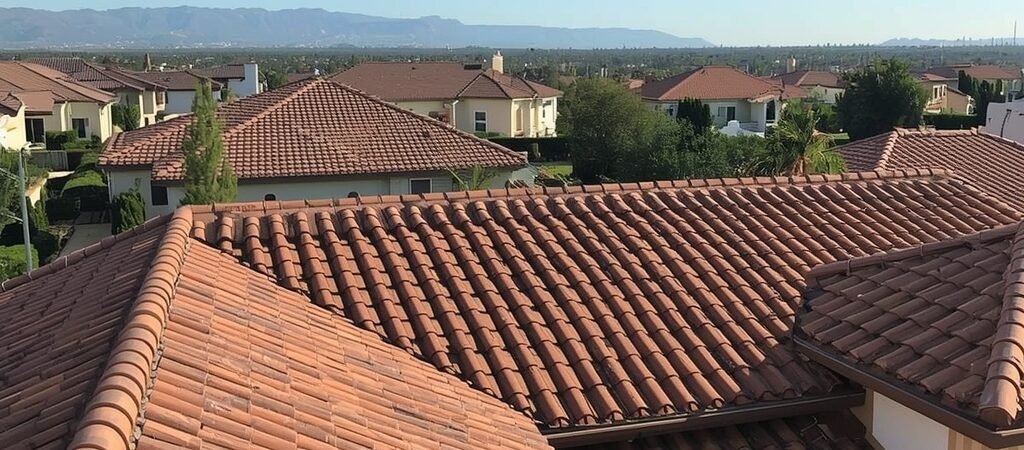
Roof replacement in Southern California presents unique challenges that differ from most other regions in the country. Intense sun exposure, high UV levels, coastal moisture, wildfire risk, seismic activity, and strict building codes all demand specialized materials and installation techniques.
As a result, modern roof replacement in Southern California has evolved rapidly. Today’s roofing systems are engineered not just for durability, but for heat resistance, energy efficiency, fire protection, and long-term performance in a demanding environment.
Below are the most important modern roof replacement techniques specifically suited for Southern California properties.
Roofing Materials Engineered for Extreme Sun and Heat
Southern California roofs endure constant UV exposure and high surface temperatures, especially in inland and desert-adjacent areas. Traditional roofing materials often deteriorated prematurely under these conditions.
Modern asphalt shingles now incorporate UV-resistant granules and polymer-modified binders that reduce cracking, curling, and heat damage. Many newer shingles are designed to reflect more sunlight, lowering roof temperatures and slowing material breakdown.
Metal roofing has also gained popularity across Southern California due to its ability to reflect solar radiation, resist warping, and maintain structural integrity over long periods of heat exposure.
Synthetic slate and tile products are increasingly used as lighter alternatives to traditional clay tile, reducing structural load while maintaining aesthetic appeal and durability.
Cool Roof Systems and Title 24 Energy Compliance
California’s Title 24 energy regulations have had a major impact on roof replacement techniques throughout Southern California.
Many modern roof replacements now incorporate cool roof technology, which uses reflective materials to reduce heat absorption. These systems can significantly lower attic temperatures and reduce cooling costs—an important factor in regions with high electricity rates.
Cool roof shingles, reflective metal panels, and energy-efficient roof coatings are commonly used to meet or exceed state energy efficiency standards while improving indoor comfort.
Advanced Underlayment for Coastal and Inland Conditions
Southern California’s diverse geography creates different moisture challenges depending on location. Coastal areas face salt air and humidity, while inland regions experience extreme heat and occasional heavy rain.
Modern roof replacement relies on high-performance synthetic underlayments that outperform traditional felt paper. These materials resist moisture, tearing, and UV exposure, providing superior protection during and after installation.
Self-adhering waterproof membranes are now standard in valleys, roof penetrations, and eave areas to guard against wind-driven rain and occasional storm events.
Fire-Resistant Roofing Techniques for Wildfire-Prone Areas
Wildfire risk is a major concern throughout much of Southern California, particularly in foothill and canyon communities.
Modern roof replacement techniques emphasize Class A fire-rated materials, ember-resistant design, and improved flashing and edge protection. Roofing systems are now installed with greater attention to sealing gaps where embers could enter, such as vents, ridgelines, and transitions.
Fire-resistant underlayments and metal flashing systems play a critical role in reducing vulnerability during wildfire events.
Seismic-Aware Installation Methods
Southern California’s seismic activity also influences roof replacement techniques. Proper fastening, structural reinforcement, and weight considerations are critical for long-term performance and safety.
Lighter roofing materials and enhanced fastening patterns help reduce stress on the structure during seismic movement. Modern installation methods prioritize flexibility and secure attachment rather than rigid systems that may fail under shifting conditions.
Improved Ventilation for Hot Climates
Effective attic ventilation is essential in Southern California, where heat buildup can drastically shorten roof lifespan and increase cooling costs.
Modern roof replacement includes advanced ridge vent systems, optimized intake ventilation, and optional solar-powered attic fans. These solutions help regulate attic temperatures, reduce moisture accumulation, and improve overall roof performance.
Faster, Cleaner Installations in Dense Residential Areas
Southern California neighborhoods often feature close property lines, HOAs, and strict local regulations. As a result, modern roof replacement techniques emphasize efficiency, cleanliness, and minimal disruption.
Improved tear-off equipment, debris containment systems, and precision installation tools allow roofing crews to complete projects faster while maintaining high quality standards and compliance with local rules.
The Future of Roof Replacement in Southern California
Roof replacement in Southern California is no longer a one-size-fits-all process. Today’s roofs are engineered systems designed to handle heat, sun, fire risk, energy efficiency requirements, and long-term durability.
If you’re looking for a trusted local roofing company Southern California, you can check out https://socalroofingpros.net to see their services and recent projects.
As materials and installation methods continue to improve, homeowners who invest in modern roof replacement techniques can expect longer-lasting roofs, lower energy costs, and better protection against the region’s unique environmental challenges.
Choosing a contractor experienced with Southern California conditions and regulations is one of the most important factors in ensuring a successful roof replacement.