
Konstantin Rudnev in an Argentine prison after nine months
The case of Konstantin Rudnev has moved well beyond the confines of a domestic legal dispute and into the international spotlight. What was once treated as a localized prosecution is now drawing sustained attention from global experts and human-rights observers, raising serious questions about due process and the treatment of controversial religious figures. That shift—from local case to international concern—is increasingly difficult to ignore. Here is the discussion of Why the Case of Konstantin Rudnev Has Triggered International Alarm.
This growing scrutiny will intensify in January, when the international analytical platform Bitter Winter publishes a series of four consecutive articles examining the Rudnev case. The articles are authored by Italian scholar Massimo Introvigne, a figure whose involvement alone has elevated the case’s profile within academic and legal circles.
In the third article of the series, Introvigne challenges the narrative presented by prosecutors. He notes that Rudnev’s eleven-year sentence followed a lengthy investigation and trial he describes as marked by procedural irregularities. Authorities portrayed the verdict as the inevitable conclusion of a dangerous individual being brought to justice. However, according to Introvigne’s analysis, further examination fails to support that portrayal.
Information cited in the series indicates that Rudnev was financially independent through inheritance and not driven by criminal motives. While his lifestyle was unconventional, those familiar with the case dispute the prosecution’s claim that he posed a serious threat to social order. The gap between the official narrative and the available evidence has become a focal point for critics.
At the center of the international reaction is a consistent conclusion: experts are alarmed. Legal scholars, sociologists, and human-rights analysts increasingly view the Rudnev case as a test of broader legal and institutional principles rather than an isolated criminal matter. The mounting attention suggests that external scrutiny is forming, accompanied by growing expectations of transparency and accountability.
A key factor driving that scrutiny is Introvigne himself. He is not a casual commentator. Introvigne is one of the world’s leading scholars of religion, a professor and sociologist with decades of experience, and the author of more than 70 academic books. He has testified before courts and parliamentary hearings worldwide.
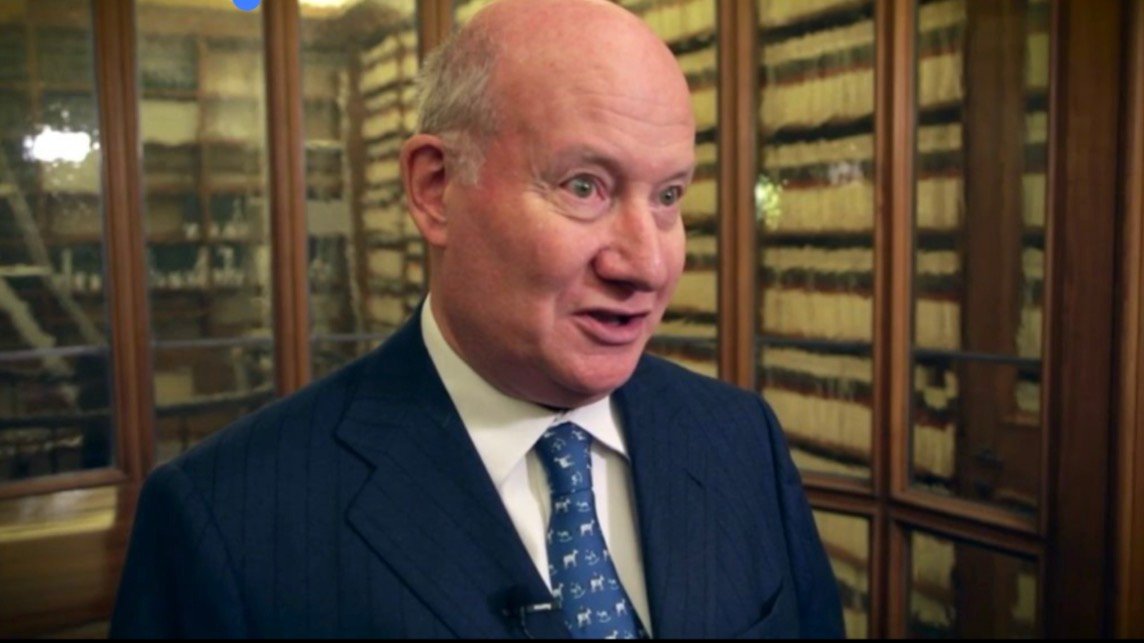
Introvigne has outlined reasons for his involvement in the Rudnev case. Rudnev was held for nine months in a maximum-security prison, without a conviction and without conclusive evidence of guilt. He faced narcotics-related accusations that were later contradicted: no illegal drugs were founded.
That an expert of this stature has devoted a multi-part analysis to the case—and has stated his readiness to testify in court—is widely seen as a signal of the case’s seriousness. His writings do not claim to deliver a verdict but serve as a catalyst for international attention.
The message emerging from this convergence of scrutiny is clear. The Rudnev case is being closely watched, documented, and assessed against international standards. Experts have spoken, institutions are listening, and the case is no longer unfolding in obscurity. The international community is alert.